Related

Win Today, Win Tomorrow: How Smart Goal-Setting Transforms Your Fitness
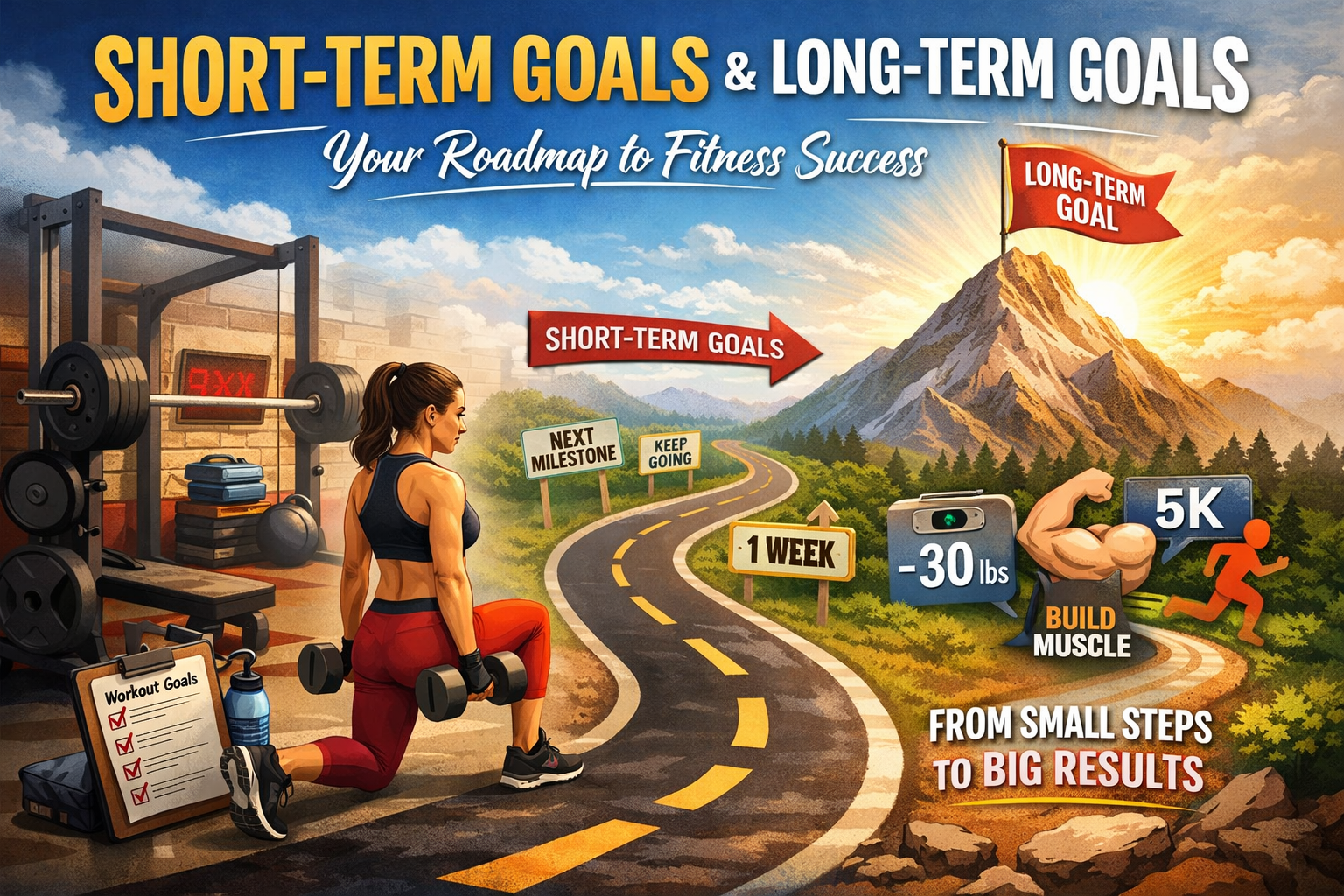
When most people walk into a gym, they have one thing in mind: a big goal. Lose 30 pounds. Run a 5K. Build muscle. Look and feel better. These are powerful motivators — but without a plan to get there, even the best intentions can fade fast.
The secret to lasting fitness success isn't just having a goal. It's knowing how to layer your short-term and long-term goals so that every workout moves you closer to the life you want.
What's the Difference?
A long-term goal is your big picture — the destination you're working toward over months or even years. It's the reason you showed up in the first place.
A short-term goal is the step you're taking today, this week, or this month to get there. It's measurable, achievable, and keeps you moving when motivation runs low.
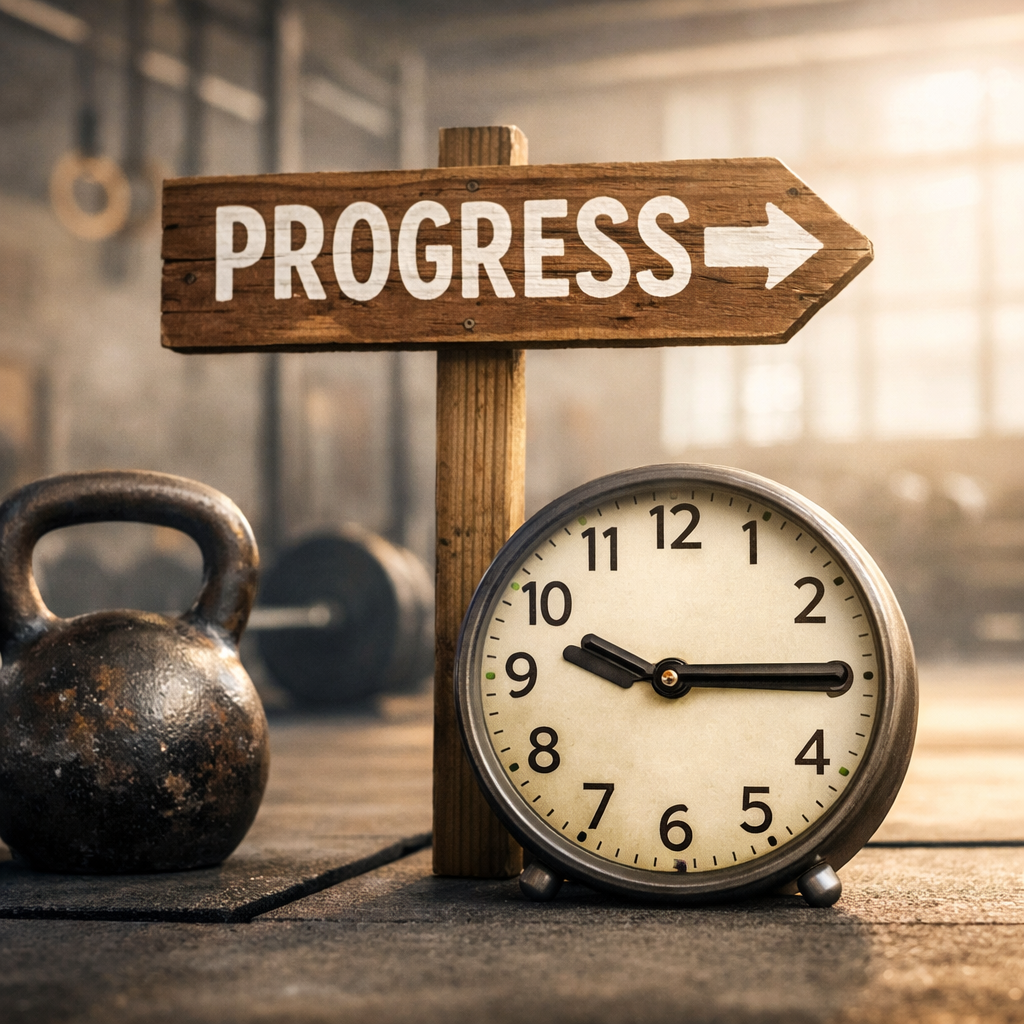
Think of it like a road trip. Your long-term goal is the destination. Your short-term goals are the mile markers letting you know you're on the right track.
Why Short-Term Goals Matter More Than You Think
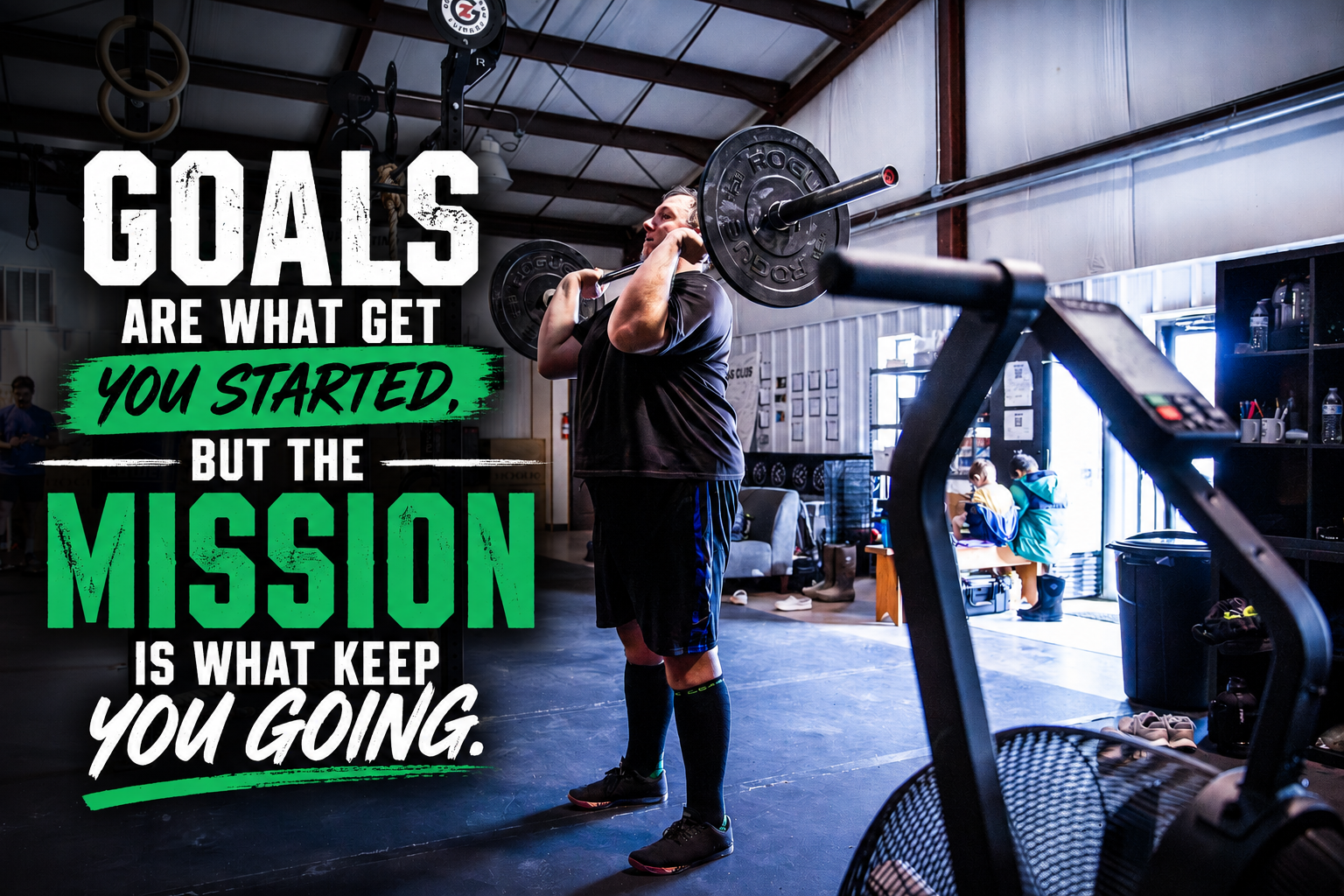
Long-term goals inspire you. Short-term goals sustain you.
When results feel far away, it's easy to get discouraged. But when you set smaller, achievable targets — completing three workouts this week, adding five pounds to your lift, drinking more water every day — you create a steady stream of wins that build confidence and momentum.
Those small victories add up. And they keep you coming back.
Why Long-Term Goals Keep You Anchored
Short-term goals give you direction, but long-term goals give you purpose. On the days when you don't feel like showing up, your long-term vision is what pulls you back.
Having a clear long-term goal also helps you make better decisions along the way — about your training, your nutrition, and how you recover. It turns random workouts into a real strategy.
How to Set Goals That Work Together
Here are a few simple tips to align your short and long-term fitness goals:
- Start with the big picture. What do you want to achieve in the next 6–12 months? Be specific.
- Break it down. What does progress look like each week or month? Set targets you can actually hit.
- Track it. Write your goals down. Check in regularly. Celebrate progress, not just results.
- Stay flexible. Life happens. Adjust your short-term goals when needed, but keep your long-term vision in sight.
- Lean on your community. Share your goals with a trainer or workout buddy — accountability is a game changer.
The Bottom Line
Fitness isn't a sprint — it's a journey. And like any great journey, you need both a destination and a map. By combining the motivation of long-term goals with the momentum of short-term wins, you set yourself up not just to reach your goals, but to enjoy the process along the way.
Ready to take the first step?
Book your FREE No Sweat Intro today and let one of our coaches help you build a goal-setting plan designed around you — your life, your schedule, and your goals. No pressure, no commitment, just a conversation to get you started on the right path.
👉 Click here to book your FREE No Sweat Intro
.png)








.png)



.png)
.png)

.png)
.png)
.png)

.png)





-2.png)
.png)


-8.png)
