
Related

The Science of Progressive Overload and How to Apply It at Home
When it comes to building strength and muscle, there’s one principle that rules above all: progressive overload. Simply put, it means gradually increasing the stress you place on your muscles over time. Without it, gains plateau, no matter how consistent you are.
Why It Works
Progressive overload forces your muscles to adapt. Each time you challenge your body with slightly more weight, extra reps, or longer time under tension, your muscles respond by growing stronger. This principle isn’t just for the gym — you can apply it at home with creativity and consistency.
Ways to Apply Progressive Overload at Home
- Increase Weight – Use whatever you have: dumbbells, kettlebells, or even backpacks filled with books. Gradually add more weight over weeks.
- Increase Reps or Sets – If you can’t add weight, add more repetitions or sets to your routine. For example, move from 3 sets of 10 push-ups to 4 sets of 12.
- Slow Down the Tempo – Making each rep slower increases time under tension, making your muscles work harder without heavier weights.
- Add Variations – Progress to more challenging versions of bodyweight exercises. For example, advance from regular squats to pistol squats or incline push-ups to decline push-ups.
Tracking Progress
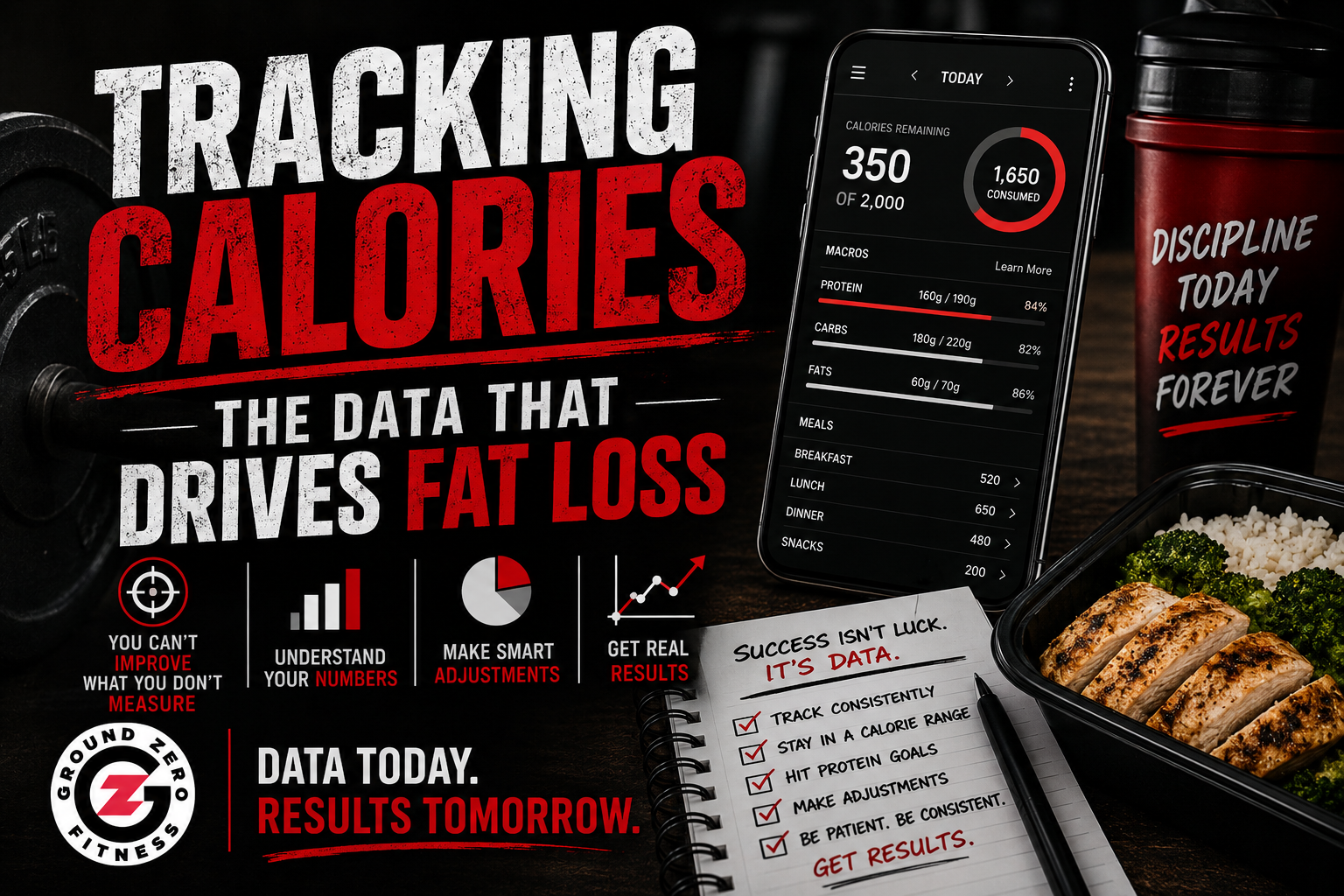
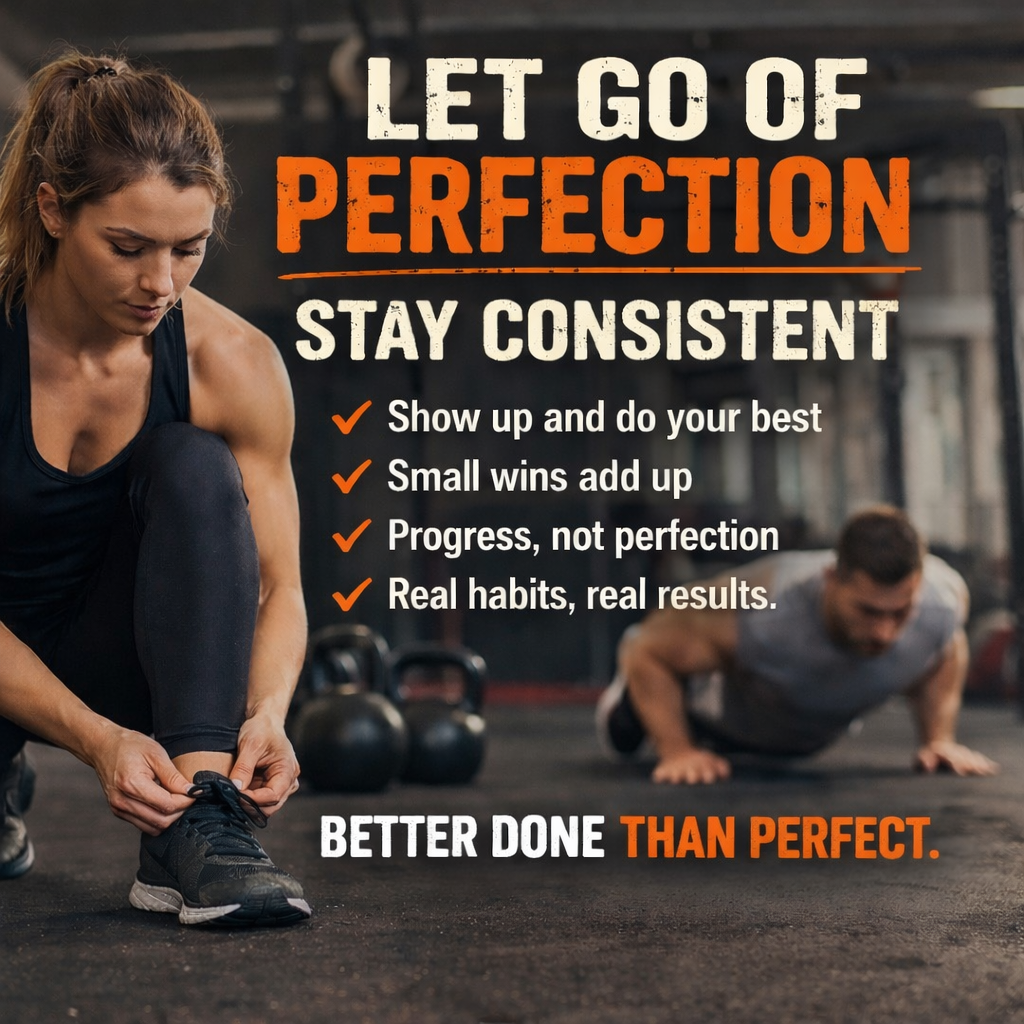
Consistency is key. Keep a journal or use a notes app to track your reps, sets, weight, and tempo. When you notice a movement feeling easier, it’s time to overload again.
Bottom Line
Progressive overload is the foundation of strength training, whether you’re at a fully equipped gym or using minimal equipment at home. Small, consistent increases in challenge lead to big results over time.
💪 Ready to put progressive overload into action?
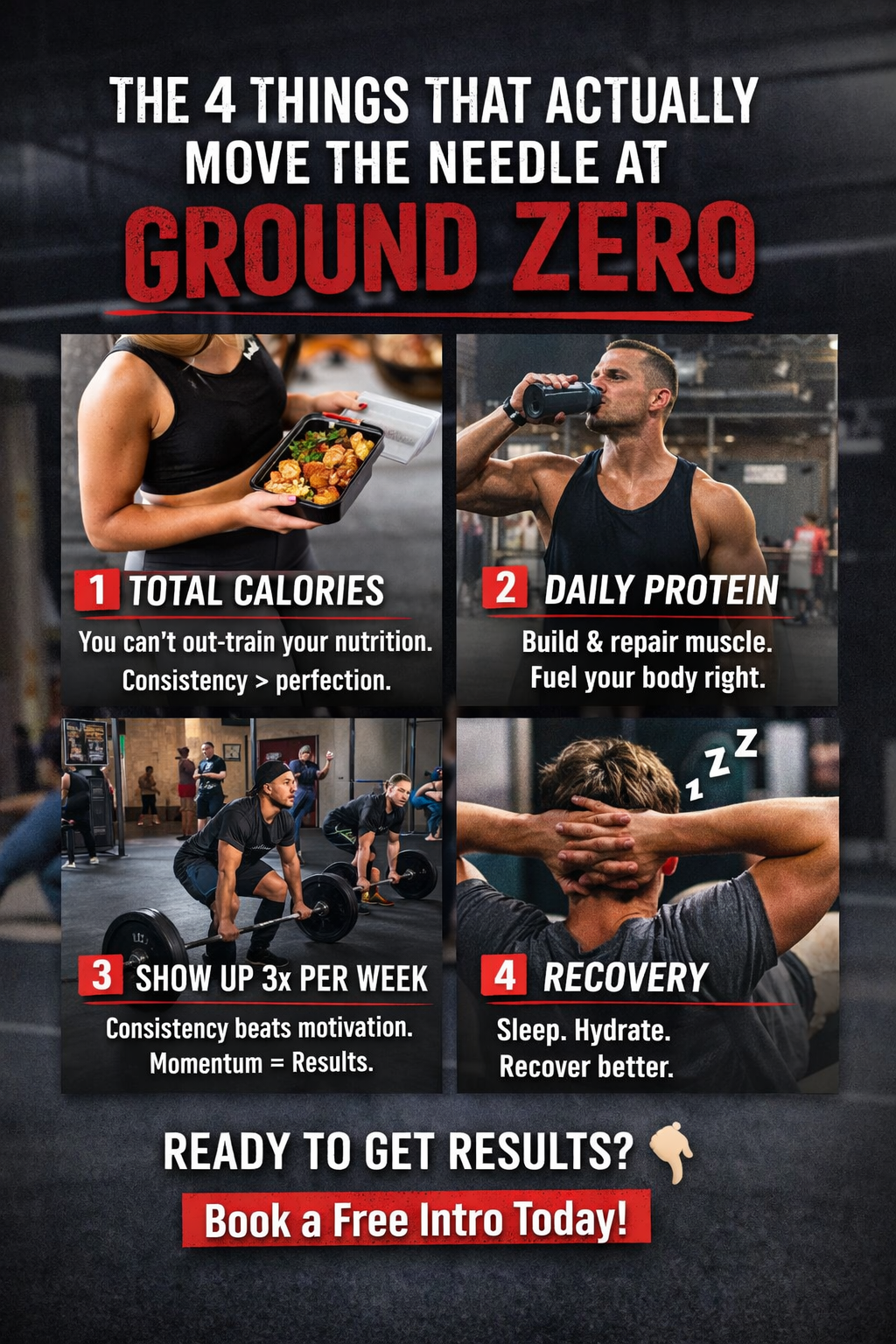
Experience it firsthand with a free intro at Ground Zero Fitness — we’ll help you safely push your limits and see real results.
Book Your Free Intro

.png)















.png)





.png)
.png)




.png)
.png)
.png)

.png)














-2.png)
.png)


