Related

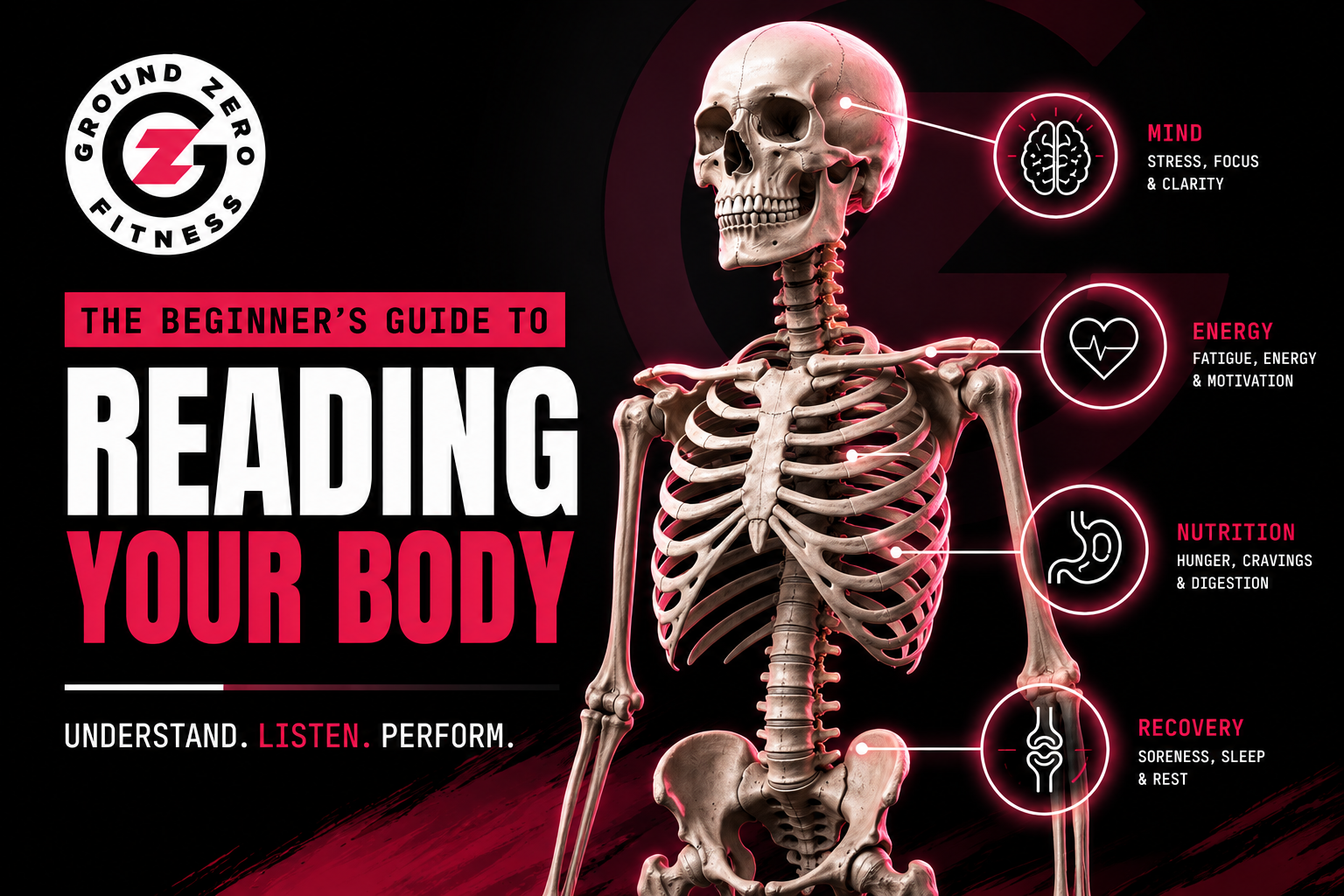
The Beginner's Guide to Reading Your Own Body
Nobody teaches you this stuff. We will.
There's a moment almost every new gym-goer hits. Usually around day three or four.
You wake up and your legs feel like they've been filled with wet concrete. Your arms ache when you reach for your coffee mug. And somewhere in the back of your head, a voice starts asking questions. Did I break something? Am I doing too much? Should I even go back today?
Your body is always talking to you. You just haven't learned the language yet.
That's not your fault. Most people walk into a gym armed with a workout plan and zero idea how to actually interpret what their body is telling them. So they either push through everything, injuries and all, or they back off at the first sign of discomfort and wonder why they never make progress.
We want to change that. Because once you learn to read your own body, everything clicks. Training stops being a guessing game and starts feeling like a real conversation.
Soreness vs. Pain
Let's start here because it's the one that trips people up the most.
Soreness is normal. It's expected. It's actually a sign that you did something. When you work a muscle harder than it's used to, tiny micro-tears form in the muscle fibers. Your body repairs those tears and builds the muscle back a little stronger. That ache you feel 24 to 48 hours after a workout? That's called DOMS, delayed onset muscle soreness, and it just means you challenged yourself.
It usually feels like a dull, achy heaviness. It's spread across a muscle group. It might be tender to the touch. And the key thing to know is that it gets better when you move around. A short walk, a light warm-up, some gentle stretching. Soreness loosens up.
Pain is different. Pain is sharp. Pain is sudden. Pain is in a joint, not a muscle. Pain doesn't go away when you warm up. It gets worse. Pain makes you change the way you move just to avoid it.
If something hurts in your knee, your shoulder, your lower back, stop. That's not toughness. That's a warning. One small injury that gets ignored has a way of becoming a much bigger problem weeks down the road.
Soreness is earned. Pain is a signal. Respect both.
Tired vs. Run Down
This one is subtle but it matters a lot, especially the further you get into a consistent routine.
Being tired after a workout is normal and honestly kind of satisfying. Your muscles are fatigued, you're out of breath, maybe you feel a little wobbly. But within an hour or two, you're back. You feel good. There's that quiet sense of accomplishment that comes after a solid session.
Being run down is different. It creeps up on you. You start feeling tired all the time. Not just after workouts, but when you wake up, when you sit down, in the middle of the day. Your motivation tanks. Simple workouts start feeling impossible. You get irritable. Your sleep gets worse even when you're exhausted.
That's your body telling you something is off. Sometimes it's overtraining. Sometimes it's just life stress catching up with you. Either way, the answer is the same.
The fix isn't to push harder. The fix is rest, food, water, and sleep. We know that's not the dramatic answer, but it's the honest one.
Your body doesn't get stronger during the workout. It gets stronger during recovery. If you're always running on empty, you're just breaking yourself down over and over with no time to rebuild. That's not training. That's punishment.
Good Hunger vs. Mindless Eating
Starting a workout routine changes your hunger. A lot of beginners are surprised by this. Some people get ravenously hungry. Others actually lose their appetite at first. Both are completely normal.
What's worth learning is the difference between genuine hunger and eating out of habit, boredom, or emotion.
Genuine hunger builds slowly. Your stomach signals it. Your energy starts to dip. You're thinking about actual food, not just chips or something sweet, but real food. Your body is asking for fuel.
Mindless eating shows up out of nowhere. It's usually triggered by stress, boredom, or just the habit of snacking at a certain time. You're not low on energy. Your stomach isn't empty. It's your brain looking for a reward or a distraction.
When you're training consistently, fuel yourself like you mean it. Protein helps your muscles recover. Carbohydrates give you energy to actually train hard. Water does more for your performance and recovery than most supplements ever will.
You don't need to obsess over every gram. Just start paying attention to why you're eating, not just what you're eating. That awareness alone can change a lot.
When Rest Is the Right Call
This one takes new gym-goers a while to accept. Rest days are not lazy days. They are part of the training.
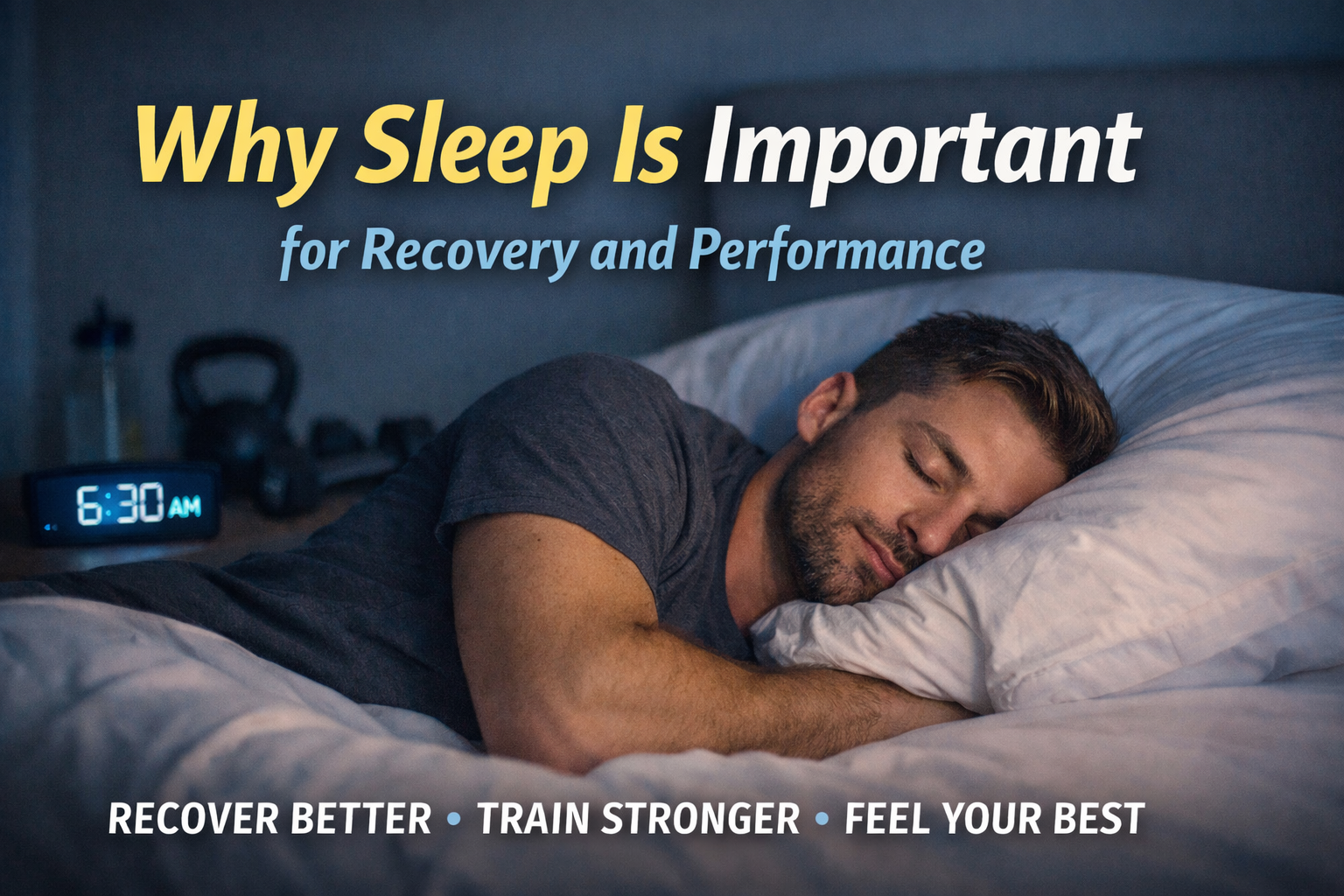
Your muscles grow on rest days. Your nervous system recovers on rest days. Your joints get a break on rest days. Skipping rest because you feel guilty about it is one of the most counterproductive things you can do.
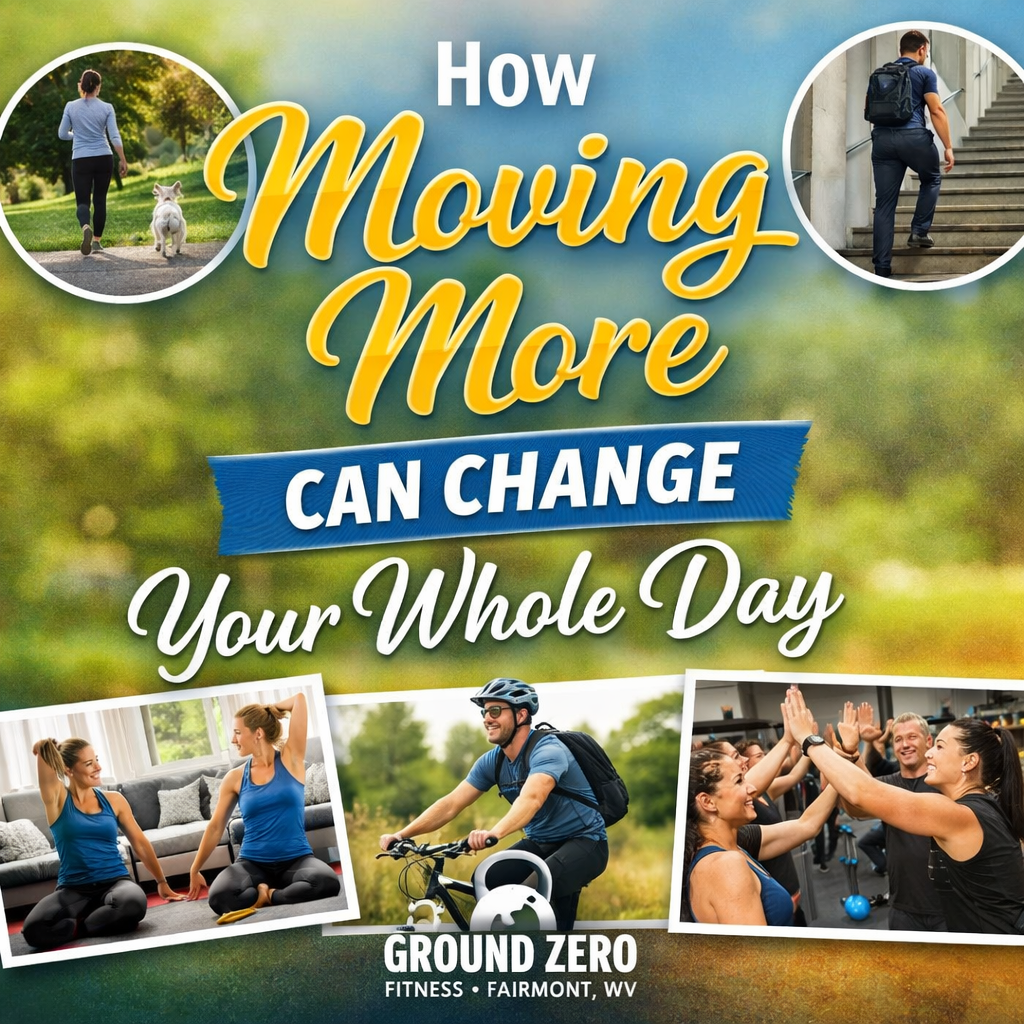
You don't have to lie on the couch all day either. A walk, a light bike ride, some stretching, shooting around at the park. These things keep your body moving without piling onto what you're already recovering from.
When you're not sure whether to rest or push, ask yourself three honest questions.
Are you sore or are you in pain? Are you tired from training or exhausted from life? Did you sleep and eat enough to actually support another session today?
If the answers are pointing toward rest, then rest. There's no trophy for training seven days straight on an empty tank. There is a real reward for showing up consistently over months and years because you actually took care of yourself along the way.
This Takes Time
Nobody gets this right immediately. Even experienced athletes misread their bodies sometimes. It's a skill, and like every other skill in the gym, it develops with practice.
Start by checking in with yourself before and after every workout. How do you feel going in? How do you feel coming out? What's different? Over time you'll start to build a picture of how your body responds to heavy training, to sleep, to stress, to food, to hydration.
That self-awareness is one of the most valuable things you can develop as someone who trains. It makes you more resilient, more consistent, and a whole lot safer.
At Ground Zero, we're not just here to put you through a workout. We're here to help you build a real relationship with your body. One that lasts. One that actually makes your life better.
Your body has a lot to say. You just have to start learning how to listen.
Come in and talk to one of our coaches. Whether you're brand new or coming back after a long break, we'll meet you right where you are.
Free No Sweat Intro: https://api.grow.pushpress.com/widget/bookings/gz-fitness-nsi
.png)








.png)

.png)
.png)
.png)
.png)
.png)

.png)




-2.png)
.png)


