
Thanksgiving does not ask you to choose between the people at the table and the goals you have been working toward. Both can belong to the same day. A lot of people treat the holiday like a fork in the road. Either they spend the day managing every bite, or they decide the season is already a loss and tell themselves they will start over in January. Neither one is how goals hold up. Your goals are not a perfect Thursday. They are the pattern you return to. One meal, even a big one, does not undo weeks of training. What can get in the way is writing off the rest of the week, or the rest of the year, because the holiday did not look like a regular training day. Start the day as yourself Ground Zero is running one class on Thanksgiving, at 9:00 AM. If that fits your morning, come train, then go be with your people. You do not have to earn dinner, and you do not have to skip the class you wanted just because the calendar says it is a holiday. Starting the day with your training is one way to keep your goals in view without turning the rest of the day into a project. If you are traveling or with family, the same idea still holds. You are still the person who trains. The day can be full, and your goals can stay in place. Enjoy the holiday Keeping your goals does not mean hovering over your plate or apologizing for being at the table. Eat, talk, and be present. A sustainable way of training has room for days like this. Guilt is not a training plan, and it does not get you closer to what you are working toward. At the table A few concrete habits help you enjoy the meal and still take care of yourself, without turning dinner into a project. For portions, use the same plate you would use on a normal weeknight, not a serving platter. Take a first serving, sit down, and eat it slowly. Then wait about ten minutes before you decide whether you want more. If you go back, treat it as a choice, not a reflex. For protein, use your palm as a guide for the first serving of turkey, ham, or whatever protein is on the table, and set that down before the sides. If you take a second plate, put protein on it again, then add what you still want. That order helps you stay satisfied and still enjoy the rest of the meal. The day after still counts Friday, Saturday, and the rest of the week are part of the same goal as every week before them. There is nothing to make up and nothing to start over. Come back to your usual classes and your usual rhythm. If you have been thinking about starting, you do not have to wait. Every new member begins with a free No Sweat Intro, a relaxed conversation with a coach about your goals, with no workout and no pressure: https://wodify.link/GZNSI
Thanksgiving is coming up in a couple weeks, and I want to talk about it now so nobody is stressing about it later. Around this time of year, a lot of people start thinking they need to “earn” the meal or that one big dinner is going to undo all their hard work. It won’t. You don’t have to feel guilty about enjoying the holiday. Here’s how I’d approach the next few weeks. Keep showing up. Don’t wait until after the holidays to get serious. Keep coming to class and keep your normal routine. The people who stay consistent through November and December are the ones who feel great in January. Plan for a busy week. Thanksgiving week is usually packed with travel, cooking, and family. If you know you’ll miss class, pick two or three days now and put them on your calendar. If that doesn’t work, a short walk and a few squats and pushups at home still count. Something small beats nothing. Eat normal before the big meal. Don’t skip breakfast and lunch to save room. You’ll just feel bad and overeat. Have regular meals, drink some water, and enjoy dinner when it comes. Pick your favorites. Skip the stuff you don’t really care about and go for the dishes you look forward to all year. Take your time and enjoy it. Go for a walk after. Take a lap around the block with whoever is around. It helps you feel better, and it gets you out of dish duty for a few minutes. Get back to normal the next day. No crash diet, no punishment workout. Just eat regular meals and train when you normally would. At Ground Zero, we’re here for the long haul. I’d rather see you here for years than see you go hard for a month and burn out. Nobody is keeping score this season. And if you know someone who’s been thinking about getting started, now is a great time to bring them along. Starting before the holidays is easier than waiting for the new year. You can grab a free intro here: https://wodify.link/GZNSI
Yes, and it may be one of the most important things you do for your health. Many people slow down after 60 because they think lifting weights is a young person's game. In reality, strength training becomes more valuable with every year. Stronger joints Muscles act like shock absorbers for your joints. When the muscles around your knees, hips and shoulders are strong, they take pressure off the joint itself. That often means less stiffness, better balance and more confidence moving through your day. Coached, controlled movements also help keep your joints moving through their full range, so everyday tasks like climbing stairs or getting out of a chair stay easy. Better bone density Bones respond to the demands you place on them. Lifting gives your bones a reason to stay strong, which matters more as you age and the risk of brittle bones goes up. Walking is great, but resistance training challenges your bones in a way cardio alone can't. Muscle protects you when you fall Falls are one of the biggest threats to independence after 60. Strong legs and a strong core help you catch yourself before a slip becomes a fall. If you do go down, muscle helps cushion the impact, and the strength to get yourself back up off the floor makes a huge difference. Staying independent and in your own home Most people want to live on their own terms for as long as possible. Carrying groceries, playing with grandkids, getting in and out of the car and taking care of yourself all come down to strength. Building and keeping muscle is one of the best ways to stay independent and out of a nursing home. You don't have to start heavy At Ground Zero Fitness in Fairmont, every new member begins with four 1-on-1 sessions with a coach before joining group classes. Everything is scaled to where you are today, whether you're brand new or coming back after years away. Many of our members are in their 50s, 60s and 70s, and they're getting stronger every week. Take the first step If you're over 60 and wondering whether it's too late to start, it isn't. Book a free No Sweat Intro, a relaxed conversation with a coach about your goals, with no workout and no pressure: https://wodify.link/GZNSI
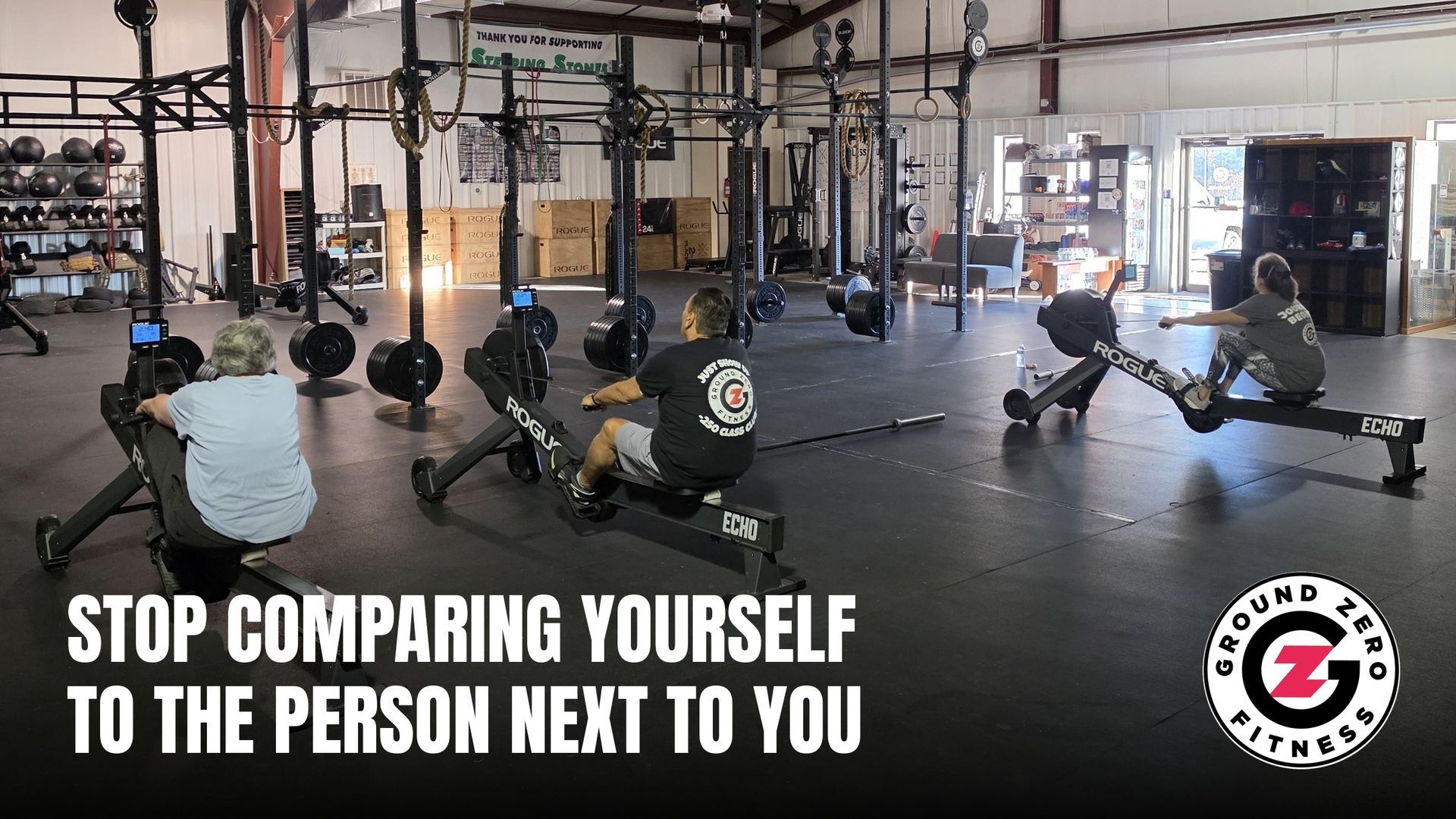
The only scoreboard that matters is you from last month.
Why do you come to the gym?
Finding time for your health isn't always easy when life pulls you in a dozen different directions.
The new iPhone is coming out at $2,000, and the waitlist is already four months long. People are putting down deposits, moving money around, and counting down the days until it arrives. What will most of them do with it? Scroll. More videos, more notifications, more time staring down at a screen instead of up at the people in front of them. It’s brain rot in a shinier case. It won’t help you sleep better, move better, or feel better. In two years it’ll be sitting in a drawer, replaced by the next one. Here’s what gets me. Many of those same people will look at hiring a trainer, working with a nutrition coach, or committing to a real health plan and say, “That’s too expensive.” Let’s be honest about what that really means. It isn’t too expensive. It just isn’t a priority yet. We always find a way to pay for what we value. Nobody hesitates on the phone because they can picture using it every single day. But you use your body every single day too. You use it to pick up your kids, carry the groceries, get up off the floor, sleep through the night, and show up with energy for the people who count on you. That body is the only one you get, and there’s no upgrade program. Think about it this way. When you invest in your health in your 30s, 40s, and 50s, you’re paying for strength, mobility, confidence, and independence. When you skip it, you usually end up paying anyway. You just pay later, in medications, doctor visits, missed time, and things you can no longer do. That same $2,000 could put you on a structured plan with a coach who knows your body, fixes your movement, and keeps you accountable for months. One of those purchases loses value the moment you open the box. The other one keeps paying you back for decades. So what really matters in life? Being able to play on the floor with your kids and get back up without thinking about it. Having the energy to finish the day strong. Feeling confident in your own skin. Being present with the people you love instead of half listening while you scroll. Staying independent and capable as you get older. None of that comes in a box, and none of it has a waitlist. You can start today. Your Next Step If you’ve been telling yourself coaching is too expensive, take a hard look at where your money is actually going. Then ask yourself which investment you’ll be glad you made ten years from now. At Ground Zero Fitness, we help adults 30 and older build strength, move well, and dial in their nutrition with a simple plan and coaches who truly care about your progress. No gimmicks, no guesswork, just real results that last. Book your Free Intro today. We’ll sit down, talk about your goals, and map out a plan that fits your life. Book here: https://wodify.link/GZNSI
If you used to train, stopped, and now the thought of walking back in makes your stomach turn a little, I get it. I’ve talked to a lot of people in that exact spot, and I’ve been there myself. Life gets in the way. New job, new baby, an injury, a hard year, or you just missed a week and then it turned into six months. Nobody at Ground Zero is keeping score. Honestly, I’m just happy you’re thinking about it. Leave the old numbers behind Most people come back and try to pick up right where they left off. Then they’re wrecked for a week and don’t come back. Your body remembers more than you think, but it’s not ready for what you were lifting two years ago, and that’s fine. Go lighter than your ego wants to. You should finish a session feeling like you could’ve done a bit more. We’ll add to it. That’s the whole plan. Sore is normal. Hurt is not. You’re going to be sore. Legs, arms, everything. Day two is usually the worst, and walking down stairs might look pretty funny for a bit. That’s just your body waking up. But sharp pain, or a joint that feels off, is different. Tell me or whoever’s coaching that day, and we’ll change what you’re doing. Don’t just push through it to prove something. Scaling is not weak Every workout we run can be adjusted. Lighter weight, fewer rounds, a different movement, more rest. Some of our most dedicated members still scale on rough days, and they’re some of the toughest people in the room. Scaling just means doing the right workout for you today. Start smaller than you think you should Two or three days a week is plenty. Come in, move well, go home. Six weeks of showing up beats one crazy week and then a month of recovering. Yes, you’ll feel like the new person again You might feel like everybody’s watching you. They’re not. Most of them are worried about their own workout, and the ones who aren’t are just glad to see a new face. Everybody in there remembers their first day. My own story When I started, I had close to 70 pounds to lose and zero confidence walking into a gym. I started on my own, then ended up at Ground Zero as a member, and the people there made me feel like I belonged before I’d earned anything. I wasn’t ready. I just showed up. That’s really all it took, and it’s why I do what I do now. So here’s what I’d do Pick one day this week. Just one. Come in, tell us you’re coming back after a break, and we’ll scale it to where you’re at right now. No pressure, no big speech. We’ll save you a spot! Free Intro: https://wodify.link/GZNSI
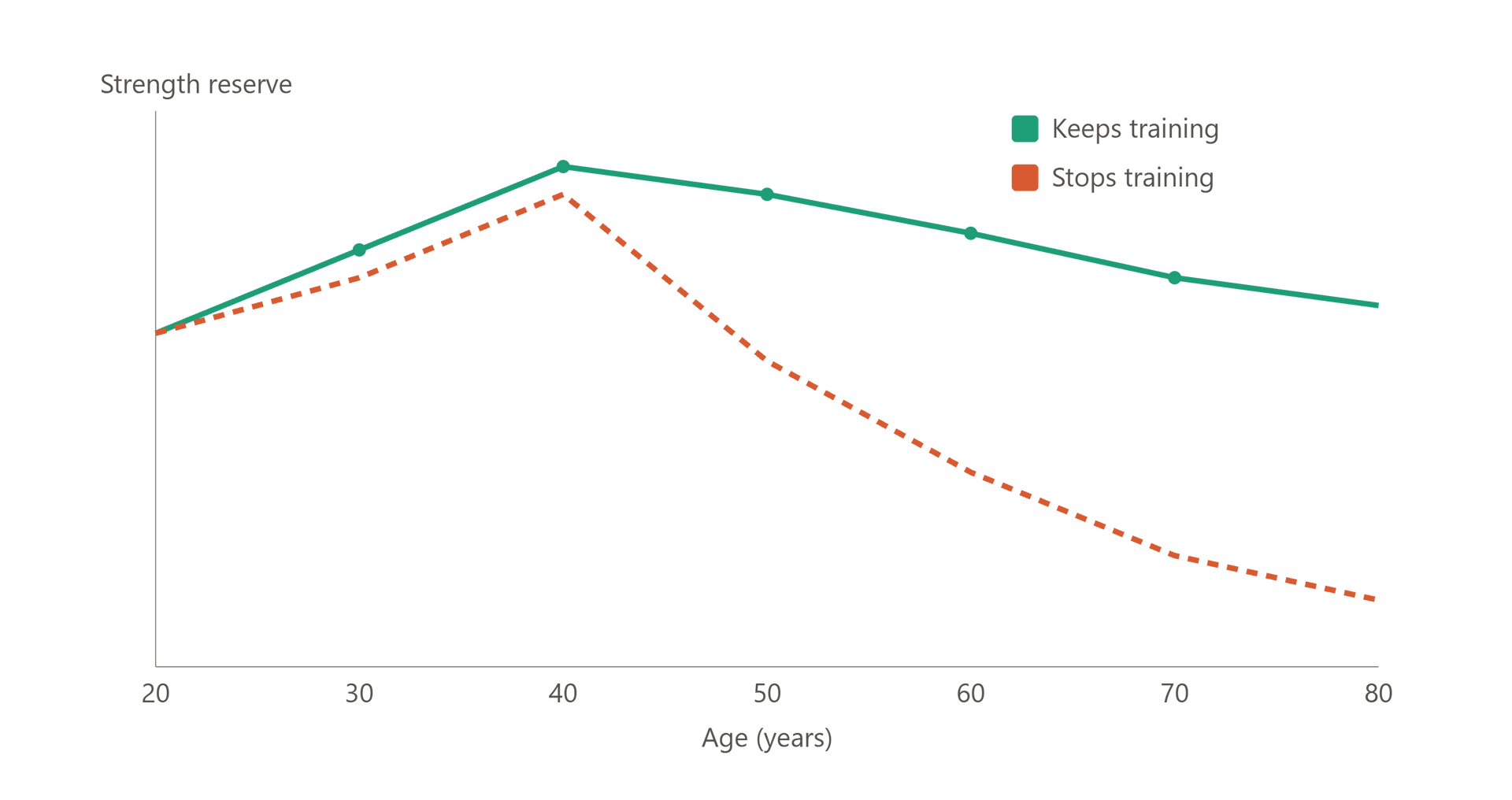
Why strength training now is retirement planning for your body.
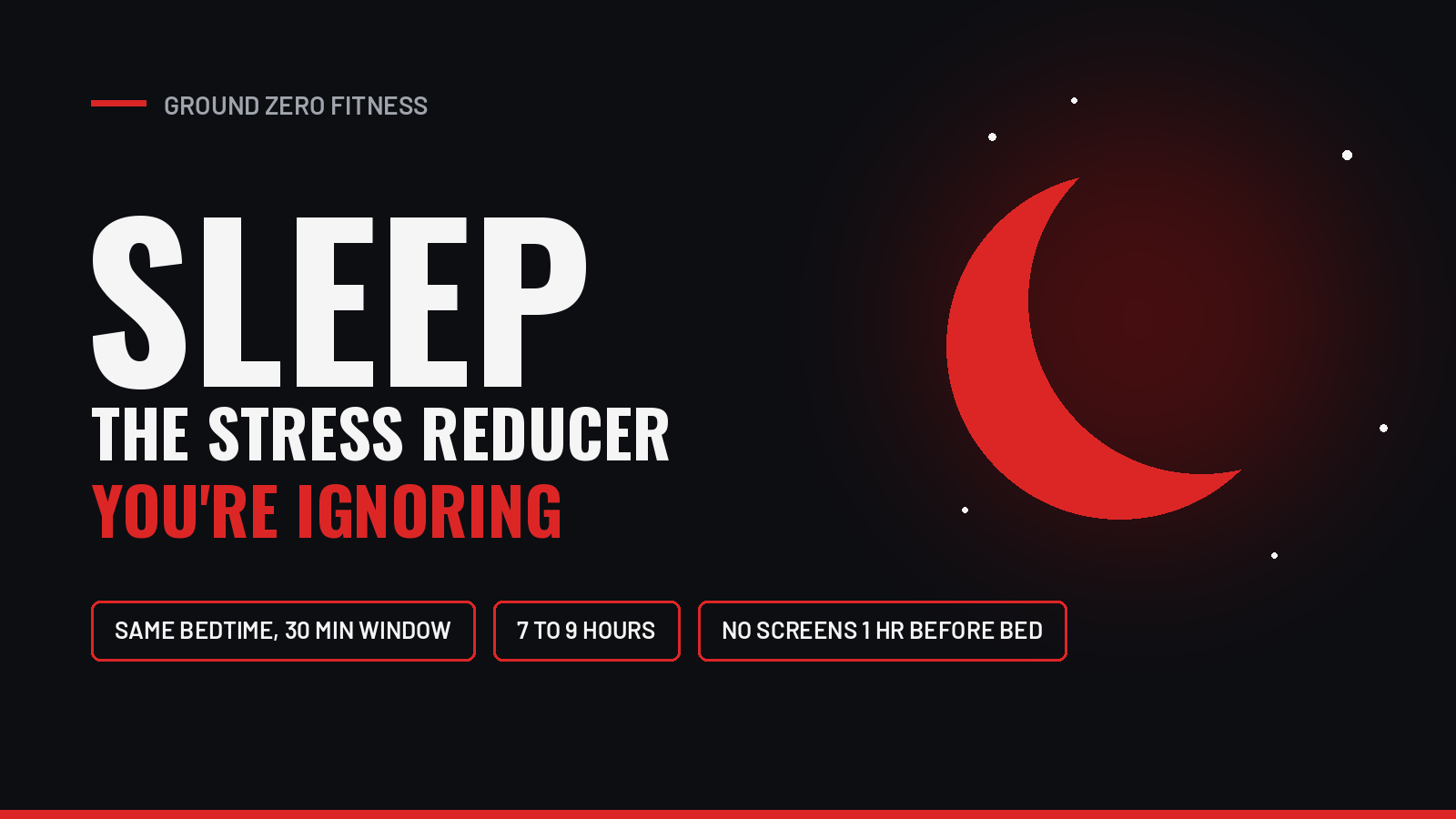
You train hard. You eat well most days. But if you're still walking around wound tight, irritable, and running on caffeine by 2 p.m., the problem might not be your workout or your diet. It might be your sleep. Sleep is when your body clears out the stress of the day. Your nervous system resets, cortisol levels drop, and your brain processes everything you took in. Shortchange that process and you start the next day already behind, carrying yesterday's stress on top of today's. Stack a few bad nights together and that load keeps growing. The good news? Fixing it doesn't require a supplement or a gadget. It requires three simple habits. 1. Go to bed within 30 minutes of the same time every night. Your body runs on a clock. When bedtime bounces around from 10 p.m. one night to 1 a.m. the next, that clock never settles, and your stress hormones stay out of rhythm. Pick a bedtime and stay within a 30 minute window of it, weekends included. Consistency tells your body when to wind down and when to wake up ready. 2. Get 7 to 9 hours of sleep. Not 5. Not "I'll catch up Saturday." Adults need 7 to 9 hours for full recovery. Less than that and you're more reactive, less patient, and more likely to feel overwhelmed by things you'd normally handle with ease. Work backward from your wake up time and protect that window like you would a training session. 3. No screens within 1 hour of bedtime. Your phone keeps your brain switched on. The light, the notifications, the endless scroll: all of it signals "stay alert" right when you should be powering down. Put the phone on the charger across the room an hour before bed. Read, stretch, talk with your family, or simply sit still. Give your mind a chance to slow down before your head hits the pillow. What changes when you get this right When these three habits become your routine, the difference is drastic. You wake up clearer. Small problems stay small. Your patience with your kids, your coworkers, and yourself goes up. Your training improves, your cravings calm down, and that constant background tension you've accepted as normal starts to fade. You stop carrying stress from one day into the next because you finally give your body the time it needs to let it go. Need help putting it all together? Sleep, training, and nutrition all work together, and sometimes it helps to have a coach in your corner. If you're ready to feel better and handle stress with more confidence, book a free intro with our team: https://wodify.link/GZNSI